The Problem With Being a Bird.
This started as a journal assignment for my psychology of relationships course. It became a reflection on loneliness, attachment, and learning how to stay.
There was a time in my life when I felt lonelier than I ever had before. For a while, I truly only had two people by my side. They were the people I confided in and trusted with everything. Unfortunately, both of those relationships soured at the same time, and I was left completely alone. That loneliness forced me to reflect on my past and ask myself, “How did I get here?” Not just how I ended up in that situation, but how I reached a point where I had no one left beside me. I realized it wasn’t just my social plants that I failed to water. It was years of coping mechanisms and patterns that quietly shaped the way I moved through relationships. A mixture of my family instilling a deep distrust of other people, along with my fear of conflict and abandonment, turned me into what I like to call a bird in social settings. Starting in middle school, after years of isolation and bullying in elementary school, I refused to relive that experience at my new school. So I became a chameleon to avoid rejection and abandonment.
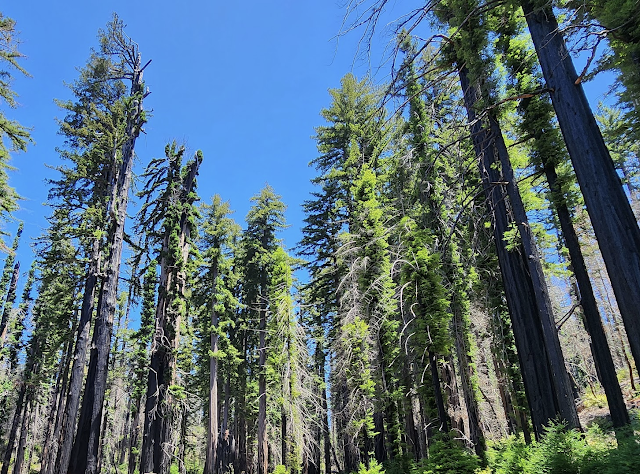
The way I explain social groups is this: every group is like a tree with its own ecosystem. The core people are the roots. If they leave, the group is never really the same. Leaves are the people who come and go over time. Branches are the main members that make up the group itself. Then there’s the trunk, the person or people who keeps everyone connected and holds the group together. Every group has its own personality, inside jokes, and energy. That’s the fruit. I was a bird, flying from one tree to another and enjoying the fruit each group offered. The moment I sensed something was off, or that rot was beginning to seep into the tree through conflict or tension, I would leave. I became incredibly good at leaving before things got bad, so I would never have to choose a side or face the things I feared most.
At the time, these habits felt normal to me. I didn’t realize they were survival mechanisms. The problem with being a bird is that the connections stay shallow. In trying to protect myself from pain, I unintentionally set myself up for loneliness later in life. I only allowed myself to build a small number of truly deep relationships, because how can people lean on you during difficult times if you’re never there when things get hard? So now, I actively try to stay in groups. Although I still prefer quality over quantity and keep my circle small, I’m more open to building relationships where we can genuinely benefit and support each other. I make friends by paying attention to people’s core values and using discernment when deciding who to invest my time and energy into. It took a lot of reflection, along with learning from people who had healthier views on relationships and connection, to get to this point.
You should also read:
Check in with yourself.
Life moves so quickly, and we fill up our time with things…